
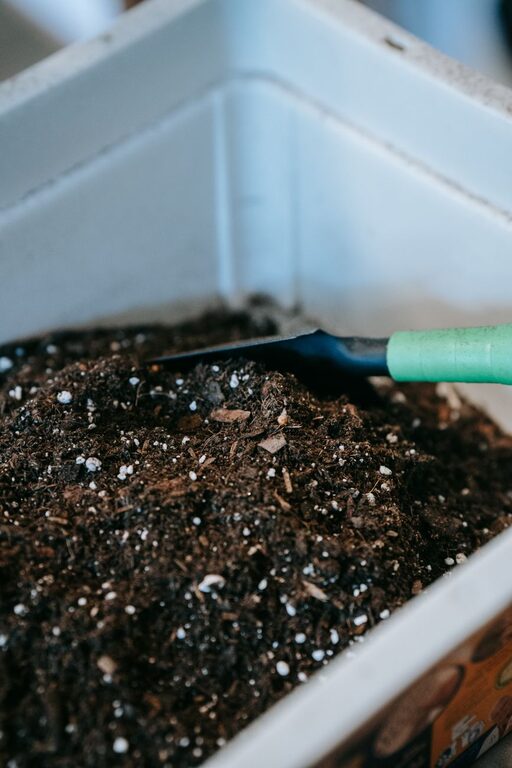
Composting at home is a rewarding way to reduce kitchen and yard waste while creating nutrient-rich soil for your garden. If you’re new to composting, it might seem a bit intimidating at first. However, with some simple tips and the right approach, anyone can start composting successfully. This guide will walk you through the basics of home composting, what you need, and how to maintain your compost pile.
What Is Composting?
Composting is the natural process of recycling organic materials, like food scraps and yard waste, into a dark, nutrient-rich soil amendment called compost. This process is powered by microorganisms that break down the organic matter over time. Compost improves soil health, supports plant growth, and reduces the amount of waste sent to landfills.
Benefits of Composting at Home
– Reduces waste: Composting diverts food scraps and yard clippings from the trash.
– Enriches soil: Compost adds essential nutrients and improves soil structure.
– Saves money: Makes your own fertilizer and reduces the need for chemical products.
– Supports sustainability: Lowers greenhouse gas emissions by reducing landfill waste.
– Enhances gardening: Compost helps plants retain moisture and resist disease.
Getting Started: What You’ll Need
Starting a compost pile or bin at home is simple and doesn’t require expensive equipment. Here’s what you need:
– Compost bin or designated area: You can buy a compost bin, make your own, or simply set aside a spot in your yard.
– Organic waste: Food scraps, garden waste, and other compostable materials.
– Water: To keep the compost moist.
– Air: To help microorganisms breathe and break down materials.
Choosing a Composting Method
There are several ways to compost at home:
1. Traditional Compost Pile
A simple heap in your backyard where you add layers of organic materials. This method requires space and regular turning to aerate the pile.
2. Compost Bin or Tumbler
Bins help contain the compost, keeping it neat and sometimes accelerating decomposition. Tumblers can be rotated, mixing contents for faster composting.
3. Vermicomposting
Using worms (usually red wigglers) to break down food scraps indoors or outdoors. Great for limited outdoor space and produces rich worm castings.
What to Compost: Green and Brown Materials
Successful composting requires a balance of “green” and “brown” materials.
– Green materials are high in nitrogen and include:
– Fruit and vegetable scraps
– Coffee grounds and tea bags
– Fresh grass clippings
– Plant trimmings
– Brown materials are high in carbon and include:
– Dry leaves
– Straw or hay
– Shredded paper or cardboard
– Wood chips or sawdust
Tip: Aim for a ratio of roughly 3 parts brown to 1 part green to create a healthy compost mixture.
What Not to Compost
Avoid adding these items to your compost to prevent odors, pests, or contamination:
– Meat, fish, and dairy products
– Oils and greasy foods
– Diseased plants
– Pet waste
– Treated wood or synthetic materials
– Invasive weeds with seeds
Step-by-Step Guide to Composting at Home
1. Select Your Spot
Choose a dry, shaded area with good drainage for your compost pile or bin. This helps maintain moisture and temperature levels.
2. Build Your Pile or Set Up Your Bin
Start with a layer of coarse materials like twigs to promote airflow at the bottom. Then alternate layers of green and brown materials.
3. Maintain Moisture
Keep your compost about as damp as a wrung-out sponge. If it’s too dry, add water. If it’s too wet, add more brown materials and turn it to increase airflow.
4. Turn the Pile
Turning your compost every 1-2 weeks helps aerate it and speeds up decomposition. Use a pitchfork or compost aerator.
5. Monitor Temperature (Optional)
A hot compost pile (between 130–160°F) decomposes faster and kills most weed seeds. If you’re just starting, don’t worry too much about this.
6. Harvest Your Compost
After several months, your compost should look dark, crumbly, and smell earthy. Use it to fertilize your garden beds, houseplants, or lawn.
Troubleshooting Common Compost Issues
– Bad odor: Usually a sign of too much moisture or not enough air. Turn the pile and add brown materials.
– Pile not heating up: Add more green materials and turn the pile to increase oxygen.
– Pests: Avoid adding meat or oily foods. Keep food scraps buried inside the pile.
– Slow decomposition: Chop or shred large materials to speed up breakdown.
Tips for a Successful Composting Experience
– Chop food scraps into smaller pieces for faster composting.
– Use a kitchen compost bin or caddy to collect scraps easily.
– Be patient — composting takes time but is worth the effort.
– Experiment with different materials and ratios to find what works best for you.
– Remember, composting is a natural process, and every pile is unique.
Conclusion
Starting composting at home is a simple way to reduce waste and enrich your garden soil. By understanding the basics, balancing your materials, and maintaining your compost regularly, you can enjoy fresh, homemade compost that supports healthy plants and a greener planet. Give it a try—your garden and the environment will thank you!