
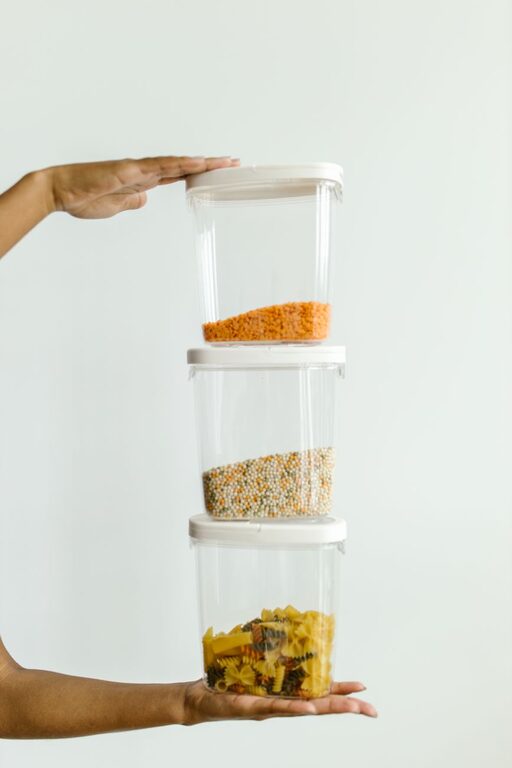
Planning meals around pantry staples is a great way to save time, reduce grocery bills, and minimize food waste. Whether you’re aiming to eat more affordably, prepare meals quickly, or just want to make the most of what you already have, your pantry can be a valuable resource. In this post, we’ll guide you through the process of planning meals from pantry staples so you can enjoy easy, tasty dishes without a last-minute grocery run.
Why Plan Meals from Pantry Staples?
Using pantry staples means relying on ingredients that have a long shelf life and are often versatile. These foods—like canned beans, rice, pasta, and dried herbs—allow you to whip up meals even when fresh ingredients aren’t available. Meal planning from these staples helps you:
– Save money by avoiding frequent grocery trips.
– Reduce food waste by using what you already have.
– Cut down cooking stress with a clear plan.
– Experiment with creative recipes.
Step 1: Take Inventory of Your Pantry
Before you start, it’s important to know exactly what you have on hand. Here’s how you can do this efficiently:
– Empty your pantry shelves: This gives you a clear view of your ingredients.
– Sort items by category: Group together grains, canned goods, spices, baking supplies, etc.
– Check expiration dates: Discard anything that’s expired or no longer safe to use.
– Make a list: Write down all the items you want to use.
Having a detailed pantry inventory helps you identify possible meal combinations and prevents buying duplicates.
Step 2: Choose Base Ingredients
Your pantry staples likely include some reliable base ingredients. These form the foundation of your meals. Common pantry bases include:
– Grains: rice, quinoa, pasta, couscous
– Legumes: canned beans, lentils, chickpeas
– Canned goods: tomatoes, corn, tuna
– Condiments and oils: olive oil, vinegar, soy sauce
– Baking supplies: flour, sugar, baking powder
Focus on these ingredients first to build your meal ideas.
Step 3: Identify Meal Types You Want to Make
Think about the types of meals you enjoy and which pantry staples fit those dishes. Here are some examples:
– Soups and stews: Use canned tomatoes, beans, and broth.
– Pasta dishes: Combine pasta with canned veggies, olive oil, and herbs.
– Stir-fries or grain bowls: Use rice or quinoa with canned or dried vegetables.
– Salads: Add canned beans or tuna for protein.
– Baked goods: Use flour and baking supplies to make bread or muffins.
Planning by meal type helps you narrow down recipes that suit your pantry items.
Step 4: Find or Create Simple Recipes
With your base ingredients and meal types in mind, look for recipes that use those staples. Many websites specialize in pantry-friendly recipes. Alternatively, you can create simple meals by combining ingredients creatively; for example:
– Chickpea curry: Simmer canned chickpeas with canned tomatoes, curry powder, and spices.
– Tuna pasta salad: Mix cooked pasta with canned tuna, olive oil, lemon juice, and any spices or canned veggies you like.
– Rice and beans bowl: Combine cooked rice with canned black beans, corn, salsa, and avocado (if available).
Don’t hesitate to experiment by mixing and matching ingredients based on what you have.
Step 5: Plan Your Weekly Menu
Now that you have ideas, draft a meal plan for the week. Here are some tips:
– Start with meals that use items nearing expiration.
– Combine pantry staples with a few fresh ingredients if possible.
– Plan for leftovers or easy reheating.
– Include a variety of meal types for balance.
Writing down your plan and creating a shopping list for any missing fresh ingredients can streamline your week.
Step 6: Organize Your Pantry for Easy Access
Once you know what you have and how you want to use it, organize your pantry to make meal prep easier:
– Group items by category or meal type.
– Place frequently used staples at eye level.
– Use clear containers to store dry goods.
– Label shelves or containers for quick identification.
A well-organized pantry makes it simpler to grab what you need and stick to your meal plan.
Bonus Tips for Successful Pantry Meal Planning
– Stock versatile spices: Keep basics like garlic powder, chili flakes, oregano, and cumin to flavor dishes.
– Keep a running list: Note items you’re running low on so you can restock without overbuying.
– Batch cook and freeze: Prepare large portions of pantry-based meals to freeze for later.
– Combine pantry staples with fresh ingredients: Fresh garlic, onions, or vegetables can enhance pantry meals when available.
Conclusion
Meal planning from pantry staples is both practical and rewarding. It encourages mindful cooking, reduces waste, and allows you to enjoy a variety of delicious meals at home. By taking inventory, choosing base ingredients, exploring recipe ideas, and organizing your pantry, you can create nourishing meals with confidence. Give it a try and discover the creative potential in your own pantry!